Expense & Fine Management System
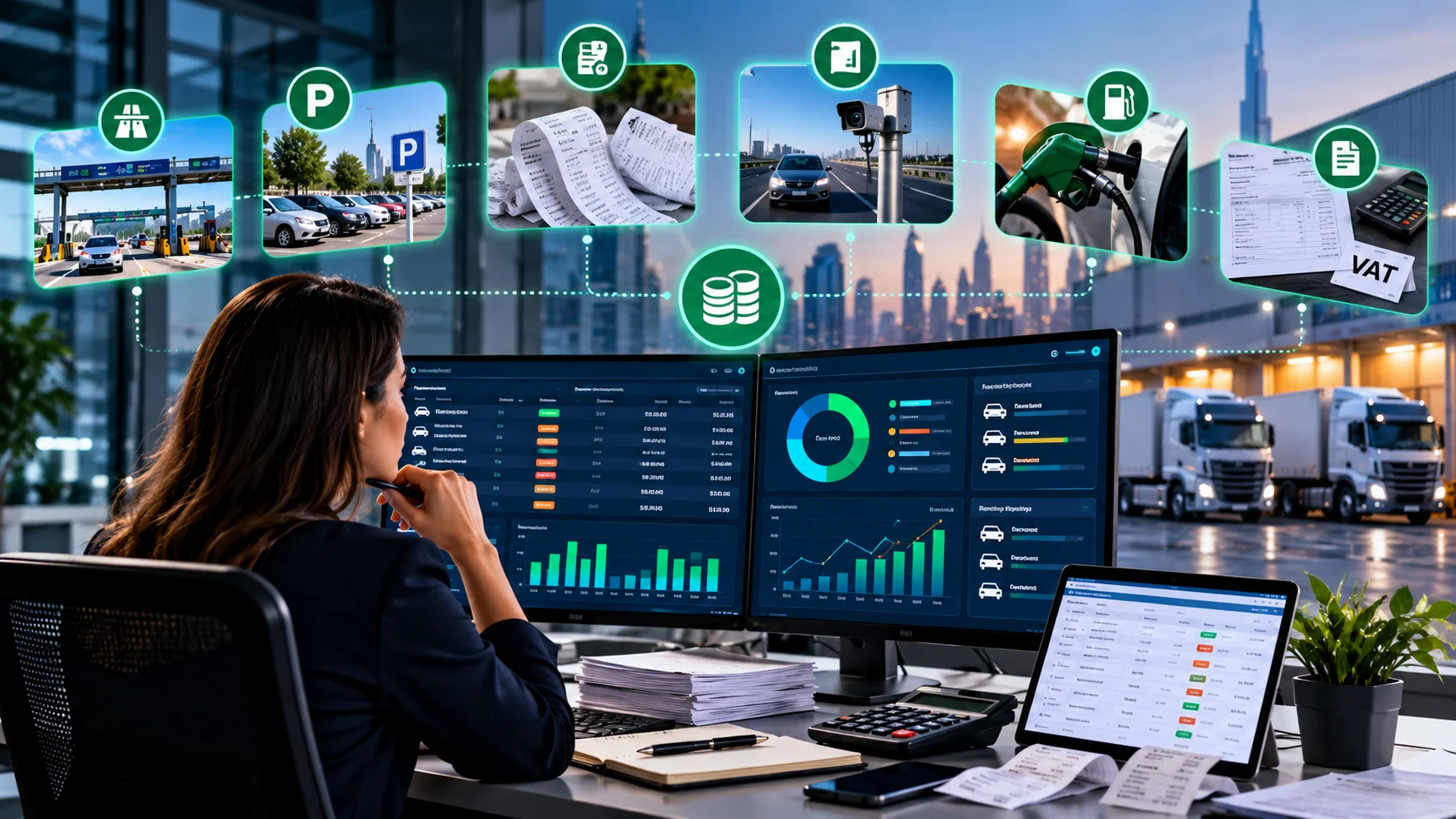
Centralized Expense Logging
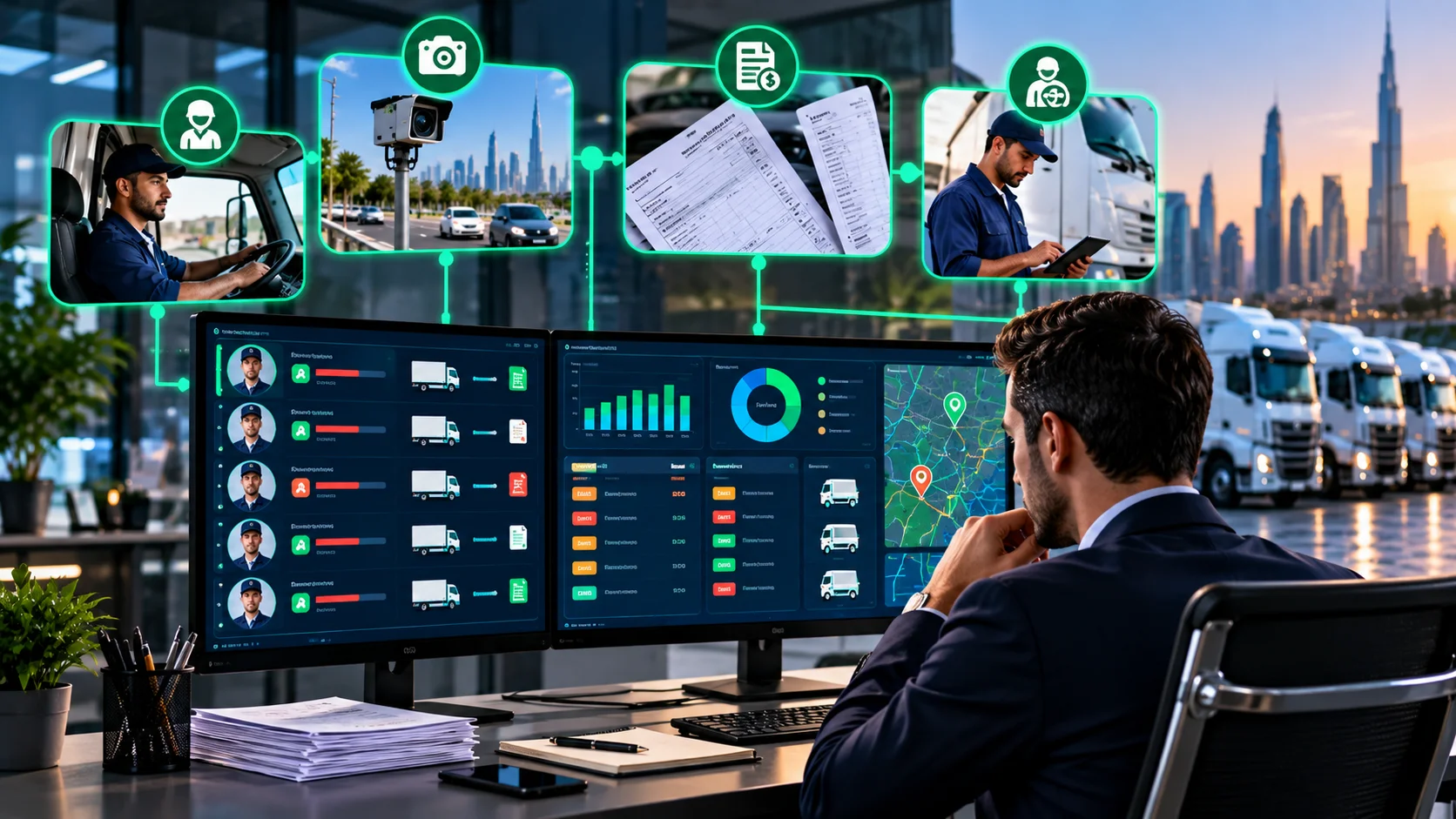
Fine Tracking Per Driver
VAT-Ready Records
Cost Dashboards
Advantages of Expense & Fine Management
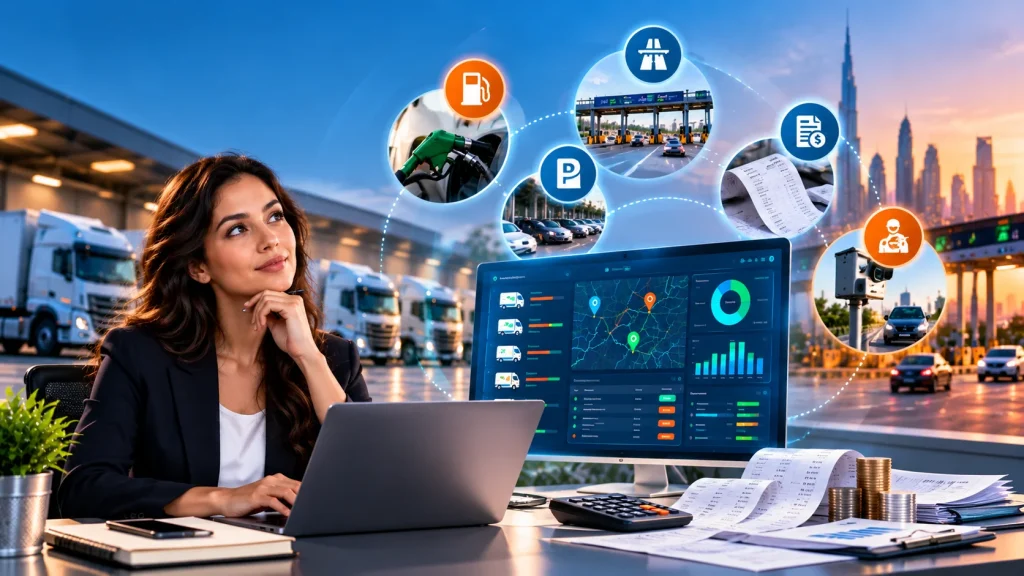
Managing fleet expenses across multiple vehicles and drivers can become difficult when records are spread across receipts, spreadsheets, and different sources. TouchTraks Expense & Fine Management brings Salik, parking, tolls, traffic fines, and other trip-related costs into one centralized system. By linking expenses and fines to the relevant vehicle and driver, businesses gain clearer cost visibility and stronger accountability. Structured, VAT-ready records also help finance teams reduce manual reconciliation, simplify reporting, and maintain accurate financial records for audits and operational decisions.
Better Financial Control & Accountability
TouchTraks Expense & Fine Management gives fleet managers a clear view of operational costs by recording expenses, fines, Salik, parking charges, and other vehicle-related payments in one centralized system. Each expense can be linked to the relevant vehicle or driver, making it easier to track spending and identify unnecessary costs. With structured records, VAT-ready reporting, and detailed cost insights, businesses can reduce manual reconciliation, improve financial accountability, and maintain better control over fleet expenses.

Cost Visibility & Financial Control
TouchTraks brings fleet expenses into one centralized system, making it easier to track spending across vehicles, drivers, and branches. Managers can record fuel, parking, Salik, fines, receipts, and other operational expenses while maintaining clear financial records. This improves cost visibility, reduces manual paperwork, and helps businesses identify unnecessary spending.
Driver Accountability & Fine Management
TouchTraks links fines and relevant expenses to the responsible driver or vehicle, helping businesses maintain accurate accountability. Managers can track outstanding fines, monitor payment status, and review cost patterns by driver. With organized records and reporting, businesses can resolve outstanding payments faster and maintain better control over fleet-related financial responsibilities.